

Are there different STD STI tests for men and women?
Nov 28, 2025
Leave a message
When it comes to sexual health, understanding the differences in STD/STI testing for men and women is crucial. As a leading supplier of STD/STI testing solutions, I've witnessed firsthand the importance of tailored testing approaches for each gender. In this blog, we'll explore whether there are indeed different STD/STI tests for men and women, and why this matters in the context of comprehensive sexual health care.
Biological Differences and Testing Needs
The human body is a complex system, and biological differences between men and women play a significant role in the manifestation and detection of STDs/STIs. For instance, the anatomical structures of the male and female reproductive systems are distinct. Women have a cervix, vagina, and uterus, while men have a penis and testicles. These differences can affect how infections present themselves and which testing methods are most effective.
Women's Testing Considerations
In women, certain STDs/STIs can cause symptoms such as abnormal vaginal discharge, pelvic pain, or irregular menstrual periods. Pap smears, which are commonly used for cervical cancer screening, can also detect signs of human papillomavirus (HPV) infection, a common STI that can lead to cervical cancer if left untreated. Additionally, vaginal swabs are often used to test for infections like chlamydia and gonorrhea, as these bacteria can reside in the vaginal canal.
Another important aspect of women's testing is the need for comprehensive screening during pregnancy. STDs/STIs can have serious consequences for both the mother and the baby, so routine testing for syphilis, HIV, hepatitis B, and other infections is recommended. This ensures that appropriate treatment can be provided to prevent transmission to the fetus.
Men's Testing Considerations
Men may experience symptoms such as penile discharge, pain during urination, or genital sores. Urine tests are commonly used to screen for chlamydia and gonorrhea in men, as these infections can affect the urethra. Blood tests can also be used to detect infections like syphilis, HIV, and hepatitis.
In some cases, men may require additional testing if they engage in high - risk behaviors or have symptoms that suggest a specific infection. For example, men who have sex with men (MSM) may be at higher risk for certain STDs/STIs and may need more frequent and comprehensive testing.
Specific Tests for Different Genders
Let's take a closer look at some of the specific tests that are commonly used for men and women.
Chlamydia and Gonorrhea
As mentioned earlier, both men and women can be tested for chlamydia and gonorrhea. In women, a vaginal swab or urine sample can be used for testing. The vaginal swab provides a more accurate sample from the site where the bacteria are likely to be present. In men, a urine sample is usually sufficient for screening. However, if a man has symptoms or is at high risk, a urethral swab may be taken for more accurate results.
Syphilis
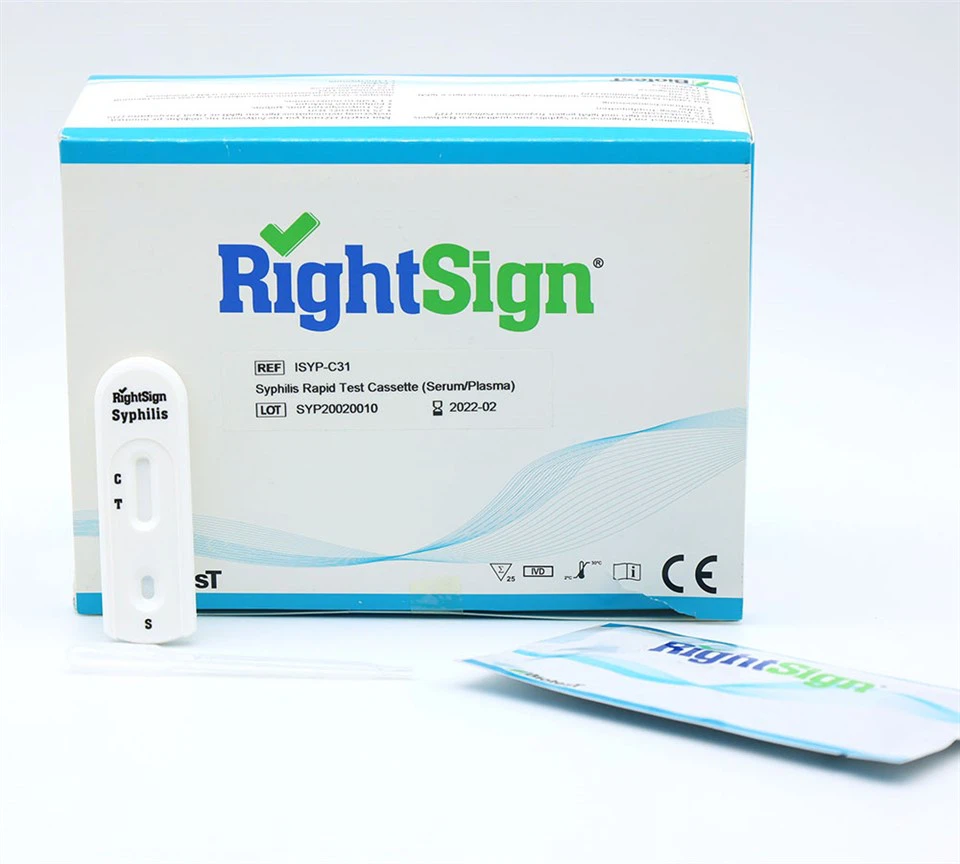
Syphilis is a bacterial infection that can be detected through blood tests. Both men and women can be tested for syphilis using the same blood - based methods. However, the timing of testing is important. Early - stage syphilis may not be detectable in the blood immediately after infection, so repeat testing may be necessary. For those in need of a quick diagnosis, a Same Day Syphilis Test can provide results in a shorter time frame, which is especially beneficial for individuals who are anxious about their status or need immediate treatment.
HIV
HIV testing is essential for both men and women. The most common testing methods include antibody tests, antigen - antibody tests, and nucleic acid tests (NATs). These tests can be performed on blood or oral fluid samples. While the testing methods are similar for both genders, the frequency of testing may vary based on individual risk factors. For example, individuals who engage in unprotected sex or have multiple sexual partners may need more frequent testing.
HPV
HPV is a group of viruses that can cause genital warts and certain types of cancer. In women, Pap smears and HPV DNA tests are commonly used for screening. The Pap smear looks for abnormal cells in the cervix, while the HPV DNA test detects the presence of high - risk HPV types. In men, there is currently no routine screening test for HPV. However, men can be tested for genital warts or for the presence of HPV in cases where they have symptoms or are at high risk.
The Importance of Tailored Testing
Tailored testing for men and women is essential for several reasons. Firstly, it ensures accurate diagnosis. By using the most appropriate testing methods for each gender, healthcare providers can detect infections more effectively and provide timely treatment. This can prevent the spread of STDs/STIs and reduce the risk of complications.

Secondly, tailored testing takes into account the unique needs and concerns of each gender. Women may be more concerned about reproductive health and the potential impact of STDs/STIs on pregnancy, while men may have different risk factors and symptoms. By providing personalized testing and counseling, healthcare providers can better address these concerns and promote better sexual health outcomes.
Our Role as an STD/STI Testing Supplier
As an STD/STI testing supplier, we understand the importance of providing high - quality, accurate, and accessible testing solutions. We offer a wide range of tests for different STDs/STIs, including those that are specific to men and women. Our tests are designed to be easy to use and provide reliable results in a timely manner.
We also work closely with healthcare providers to ensure that they have access to the latest testing technologies and information. This includes providing training on proper testing procedures and interpretation of results. By partnering with us, healthcare providers can offer comprehensive STD/STI screening services to their patients, regardless of gender.
Contact Us for Procurement
If you're a healthcare provider, clinic, or organization interested in purchasing our STD/STI testing products, we'd love to hear from you. Our team of experts can provide you with detailed information about our products, pricing, and ordering options. We're committed to working with you to meet your testing needs and improve the sexual health of your patients.
References
- Centers for Disease Control and Prevention (CDC). Sexually Transmitted Diseases (STDs). Available at: https://www.cdc.gov/std/index.htm
- World Health Organization (WHO). Sexually transmitted infections (STIs). Available at: https://www.who.int/news - room/fact - sheets/detail/sexually - transmitted - infections - (stis)
- American College of Obstetricians and Gynecologists (ACOG). STDs and Pregnancy. Available at: https://www.acog.org/womens - health/faqs/stds - and - pregnancy