

Can fertility tests be done if I have a history of radiation therapy?
Dec 04, 2025
Leave a message
Hey there! As a provider of fertility tests, I often get asked a bunch of questions about who can use our products and under what circumstances. One question that pops up quite a bit is, "Can fertility tests be done if I have a history of radiation therapy?" Let's dig into this topic and find out.
First off, let's understand what radiation therapy is. Radiation therapy is a common treatment for cancer and some other medical conditions. It uses high - energy rays to target and kill cancer cells. But the thing is, these high - energy rays don't just affect the cancer cells. They can also have an impact on healthy tissues in the body, including the reproductive organs.
When it comes to female reproductive organs, radiation to the pelvic area can damage the ovaries. The ovaries are where eggs are stored and developed. If the ovaries are damaged, it can lead to a decrease in the number of eggs, changes in the hormonal balance, and even early menopause. In men, radiation to the testicles can harm sperm - producing cells, leading to a decrease in sperm count, motility, and quality.
Now, let's talk about fertility tests. We offer a variety of fertility tests, like the Ovulation Predictor Kit, the HCG Pregnancy Rapid Test, and the Insulin - like Growth Factor Binding Protein 1 Rapid Test Cassette. These tests are designed to help people understand their fertility status, whether they're trying to get pregnant or just want to keep an eye on their reproductive health.
So, can someone with a history of radiation therapy use these tests? The short answer is yes, they can. But there are some things to keep in mind.
For women, the Ovulation Predictor Kit works by detecting the luteinizing hormone (LH) surge in urine. This surge usually happens a day or two before ovulation. Even if a woman has had radiation therapy, as long as her body is still capable of producing the LH surge, the test should work. However, if the radiation has caused significant damage to the ovaries and she has entered early menopause, she may not have an LH surge, and the test may not be useful.
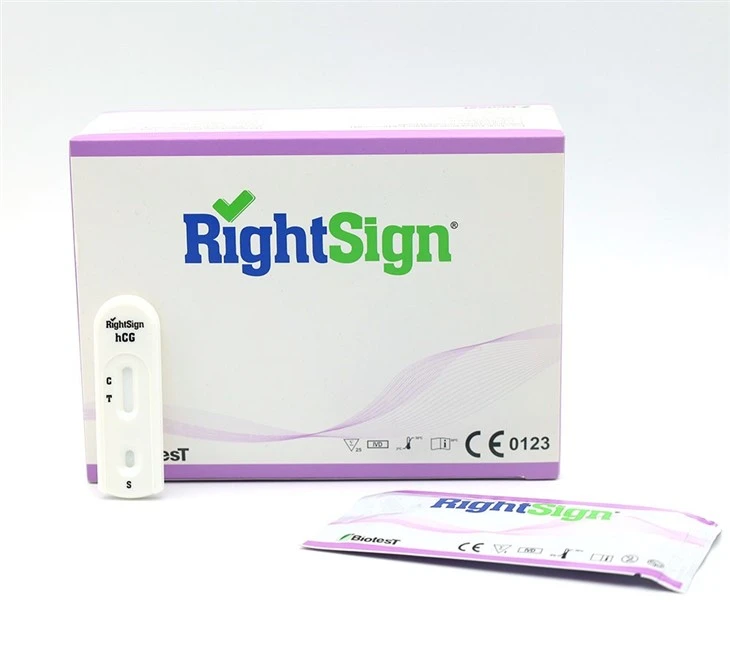
The HCG Pregnancy Rapid Test detects the presence of human chorionic gonadotropin (HCG) in urine. HCG is a hormone produced during pregnancy. If a woman has had radiation therapy and is still able to get pregnant, this test can accurately detect pregnancy. But again, if the radiation has severely damaged the reproductive organs and made it very difficult to conceive, the chances of getting a positive result are low.
The Insulin - like Growth Factor Binding Protein 1 Rapid Test Cassette is used to detect the presence of IGFBP - 1 in cervical mucus. This protein can be an indicator of fertility. Similar to the other tests, as long as the body is still functioning in a way that produces this protein, the test can be used. But radiation - induced damage to the reproductive system may affect the production of this protein.
In men, fertility tests usually involve checking sperm count, motility, and morphology. We don't have a home - based test for these parameters, but we can guide men on how to get professional sperm analysis. If a man has had radiation therapy to the testicles, the results of these tests may show significant abnormalities. However, it's still important to get tested to understand the extent of the damage.
It's also crucial to note that the effects of radiation therapy can vary widely from person to person. Some people may experience only minor damage to their reproductive organs, while others may have more severe problems. Factors like the dose of radiation, the area of the body that was irradiated, and the age at which the radiation therapy was given can all play a role.
If you've had a history of radiation therapy and are thinking about using our fertility tests, here are some steps you can take. First, talk to your doctor. Your doctor can give you a better idea of how the radiation therapy may have affected your reproductive system and whether fertility testing is a good idea for you. They can also provide more context about your overall health and any other factors that may influence your fertility.
Second, when using our tests, follow the instructions carefully. Make sure you understand how to collect the sample, how to read the results, and what the results mean. If you have any questions while using the test, don't hesitate to contact our customer support team. We're here to help you every step of the way.
Another thing to consider is that fertility testing is just one part of the picture. If you've had radiation therapy and are having trouble getting pregnant, there are other options available. There are fertility treatments like in - vitro fertilization (IVF), intrauterine insemination (IUI), and hormone therapy that can help increase your chances of conceiving.
In conclusion, having a history of radiation therapy doesn't mean you can't use fertility tests. These tests can still provide valuable information about your fertility status. But it's important to approach the situation with a clear understanding of the potential effects of radiation on your reproductive system.
If you're interested in our fertility tests or have any questions about how they can work for you, even if you have a history of radiation therapy, we'd love to hear from you. Reach out to us to start a conversation about your fertility needs. We're here to support you on your journey to better reproductive health.
References

- American Cancer Society. (2023). Effects of Radiation Therapy on Fertility.
- Mayo Clinic. (2023). Fertility and Cancer Treatment.
- World Health Organization. (2023). Reproductive Health and Cancer.