

Can I get an STD STI from swimming pools?
Aug 15, 2025
Leave a message
Can I get an STD/STI from swimming pools?
Hey there! I'm part of an STD/STI testing supplier, and I get this question a lot: "Can I get an STD/STI from swimming pools?" It's a valid concern, especially when you're thinking about taking a dip in a public pool, a community pool, or even someone else's private pool. So, let's dive right into it and clear up the confusion.
First off, let's understand what STDs and STIs are. STD stands for Sexually Transmitted Disease, and STI stands for Sexually Transmitted Infection. They're basically infections that are mainly spread through sexual contact. Some common ones include chlamydia, gonorrhea, syphilis, herpes, and HIV.
Now, back to the pool question. The short answer is that it's extremely unlikely to get an STD/STI from a swimming pool. Here's why.
Most STDs/STIs are caused by bacteria or viruses that need a very specific environment to survive. The human body provides that perfect environment, with the right temperature, pH levels, and nutrients. When these bacteria or viruses are outside the body, like in a swimming pool, they face a whole new set of challenges.
Swimming pools are usually treated with chemicals like chlorine. Chlorine is a powerful disinfectant that kills a wide range of germs, including many of the bacteria and viruses that cause STDs/STIs. For example, the bacteria that cause chlamydia and gonorrhea are very sensitive to chlorine. Once they're in a chlorinated pool, they don't stand a chance.
The dilution factor also plays a huge role. A swimming pool holds a large volume of water. Even if someone with an STD/STI were to release some infected bodily fluids into the pool, those fluids would be quickly diluted in the vast amount of water. This means that the concentration of the infectious agents would be so low that it's highly unlikely to cause an infection in another person.
Let's take a closer look at some specific STDs/STIs and why they're not likely to be transmitted in a pool.
Syphilis is caused by a bacterium called Treponema pallidum. This bacterium is very fragile and can't survive for long outside the human body. It needs a warm, moist environment similar to the human mucous membranes. In a swimming pool, the chlorine and the cold water would quickly kill the bacteria. If you're worried about syphilis, you can get a Same Day Syphilis Test to put your mind at ease.
Herpes is caused by the herpes simplex virus (HSV). HSV is also sensitive to environmental factors. It can't live for long outside the body, especially in a chlorinated pool. The virus needs to be in direct contact with a person's skin or mucous membranes to cause an infection. Just being in the same pool as someone with herpes isn't enough to transmit the virus.
HIV, the virus that causes AIDS, is another example. HIV is very fragile outside the body. It can't survive in water, especially water that's treated with chlorine. The virus needs to be in direct contact with certain types of cells in the body, like immune cells, to cause an infection. So, you don't have to worry about getting HIV from a swimming pool.
However, it's important to note that there are some exceptions. While it's rare, there have been a few cases where non - STD infections have been spread in swimming pools. For example, some parasites like Cryptosporidium can survive in chlorinated water for a long time. These parasites can cause diarrhea and other gastrointestinal problems. But these are not STDs/STIs.
So, if you're worried about getting an STD/STI from a swimming pool, you can relax. The chances are extremely low. But it's still a good idea to practice good hygiene. Shower before and after swimming, and avoid swallowing pool water.
Now, if you're sexually active, it's always a good idea to get tested regularly for STDs/STIs. As an STD/STI testing supplier, we offer a wide range of tests that are fast, accurate, and confidential. Our tests can detect a variety of STDs/STIs, including the ones we've talked about today.

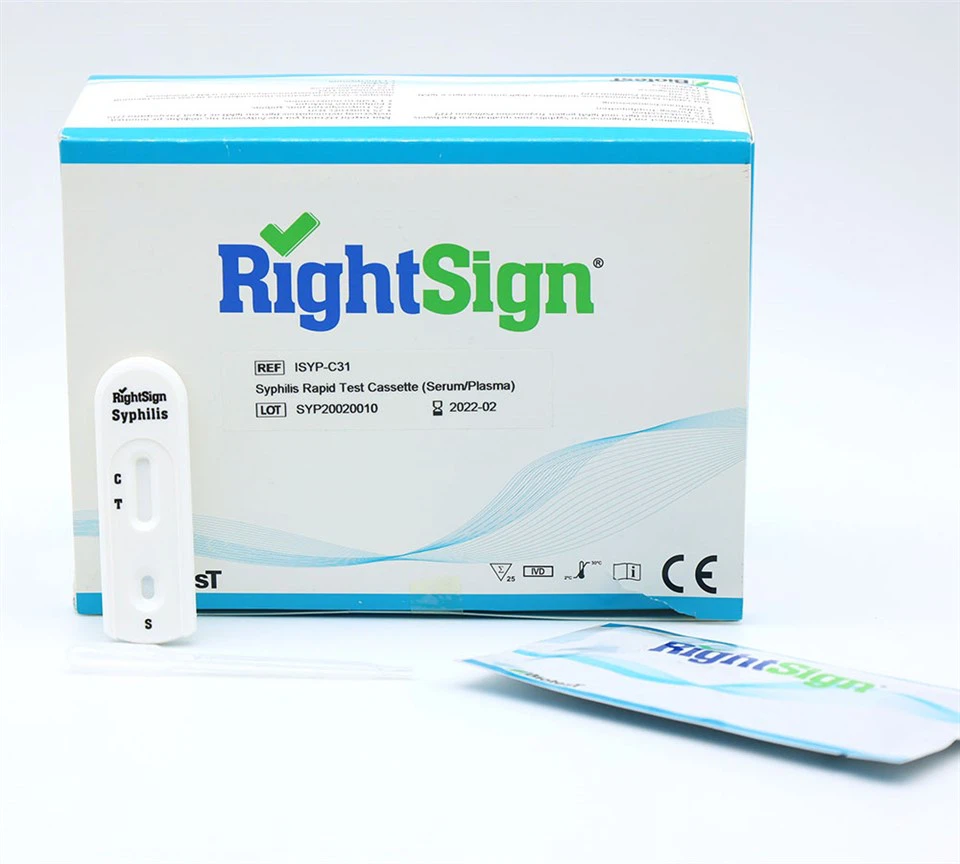
If you're a healthcare provider, a clinic, or a pharmacy looking for reliable STD/STI testing products, we'd love to talk to you. We have a team of experts who can help you choose the right tests for your needs. Whether you need tests for your patients or for your own personal use, we've got you covered.
Contact us to start a conversation about our products and how we can work together. We're committed to providing high - quality testing solutions to help you keep your patients healthy and informed.
References
- Centers for Disease Control and Prevention (CDC). (2023). Sexually Transmitted Diseases (STDs).
- World Health Organization (WHO). (2023). Global health sector strategy on sexually transmitted infections, 2016–2021.