

What are the psychological impacts of having an STD STI?
Oct 30, 2025
Leave a message
What are the psychological impacts of having an STD/STI?
Hey there! I'm part of an STD/STI testing provider, and I've seen firsthand how these infections can mess with people's heads. In this blog, I'm gonna break down the psychological impacts of having an STD/STI and why it's so important to get tested regularly.
Let's start with the shock and denial that often hit when someone finds out they have an STD/STI. It's like a punch in the gut. You might think, "There's no way this is happening to me. The test must be wrong." I've heard so many people say that. It's a natural reaction because having an STD/STI goes against our idea of being healthy and taking care of ourselves. This denial can last for a while, and it might stop people from getting the treatment they need.

Then comes the guilt. People often blame themselves for getting the infection. They might think they made a bad decision, like having unprotected sex or not getting tested sooner. This guilt can be really heavy. It can make you feel like you're a bad person, and it can eat away at your self - esteem. I remember one client who was so consumed by guilt that she isolated herself from her friends and family. She thought she didn't deserve their support.
Anxiety is another biggie. Once you know you have an STD/STI, you start worrying about all sorts of things. You might be anxious about the physical symptoms. Will they get worse? Are they gonna be painful? You also worry about telling your sexual partners. What if they get mad at you? What if they break up with you? And there's the fear of future health problems. Some STDs/STIs can lead to more serious conditions like infertility or certain cancers. This constant anxiety can be exhausting and can affect your daily life, like your work, sleep, and relationships.
Depression is also a common psychological impact. The combination of shock, guilt, and anxiety can sometimes tip people into a state of depression. They lose interest in things they used to enjoy, they feel sad all the time, and they might even have thoughts of self - harm. Depression is a serious issue, and it's important for people with STDs/STIs to get the mental health support they need.
Stigma is a huge problem too. Society has a lot of negative ideas about STDs/STIs. People with these infections are often seen as promiscuous or dirty. This stigma can make it really hard for someone to open up and talk about their situation. They might be afraid of being judged or rejected. I've had clients who were too scared to tell their doctors the full truth about their sexual history because they were worried about being looked down upon.
Now, let's talk about how these psychological impacts can affect a person's ability to take care of their health. When you're in a state of shock, denial, or depression, it's hard to focus on getting treatment. You might skip your doctor's appointments or not take your medications as prescribed. This can lead to the infection getting worse and can cause more long - term health problems.
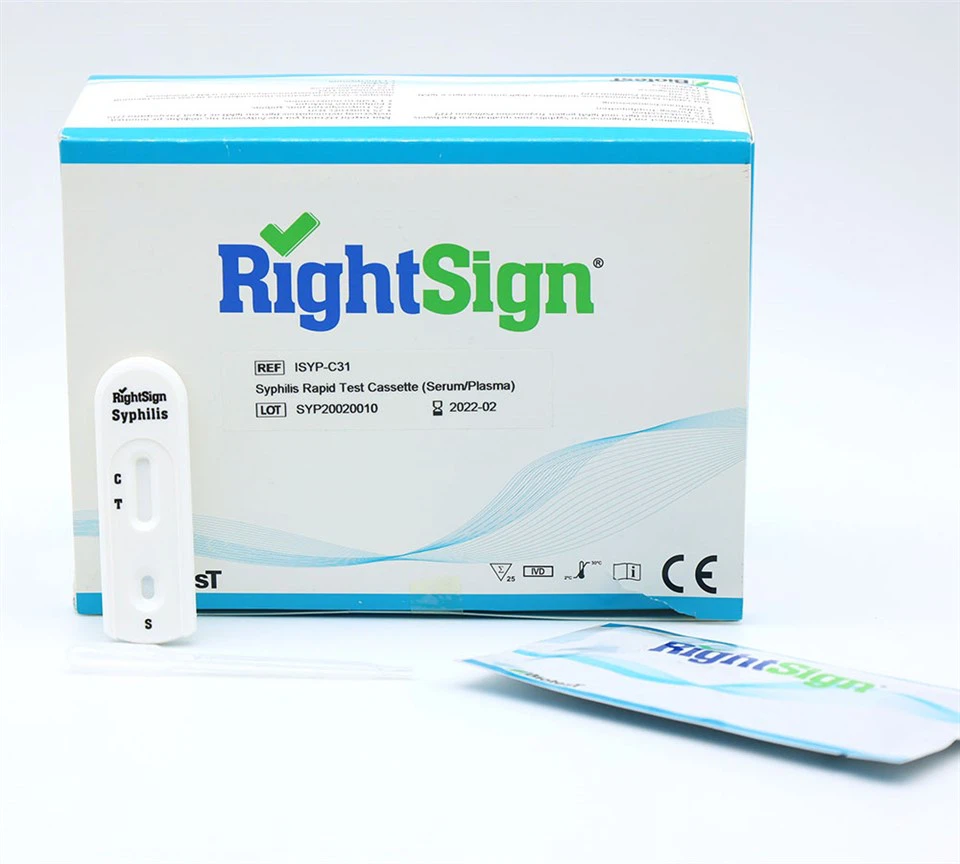
But here's the good news. There are ways to deal with these psychological impacts. First of all, getting tested is crucial. We offer a Same Day Syphilis Test, which can give you results quickly. Knowing your status as soon as possible can help you start dealing with the situation earlier.
Once you know you have an STD/STI, it's important to talk to someone. This could be a doctor, a counselor, or a trusted friend or family member. Sharing your feelings can really lighten the load. There are also support groups for people with STDs/STIs where you can meet others who are going through the same thing.
Taking care of your mental health is just as important as treating the physical infection. You can try relaxation techniques like meditation or deep breathing to reduce anxiety. Exercise is also great for your mood. And don't forget to follow your doctor's treatment plan.
As an STD/STI testing provider, we're here to help. We understand that this is a sensitive and difficult situation for a lot of people. We offer confidential testing and support services. If you're worried about having an STD/STI, don't hesitate to reach out.
We're also open to working with other organizations, healthcare providers, or anyone interested in promoting STD/STI testing. If you're looking for a reliable testing partner, we'd love to have a chat with you about how we can work together. Whether you're a clinic that wants to offer our tests or a company interested in providing testing for your employees, we're here to discuss the details.
In conclusion, having an STD/STI can have some serious psychological impacts. But with the right support, testing, and treatment, people can manage these impacts and take control of their health. So, if you think you might have an STD/STI, get tested today. And if you're interested in partnering with us for testing services, let's talk.
References
- Centers for Disease Control and Prevention (CDC). (2023). STDs and Mental Health.
- World Health Organization (WHO). (2023). Psychological Consequences of Sexually Transmitted Infections.