

What are the risks of a laparoscopy in fertility testing?
Jun 05, 2025
Leave a message
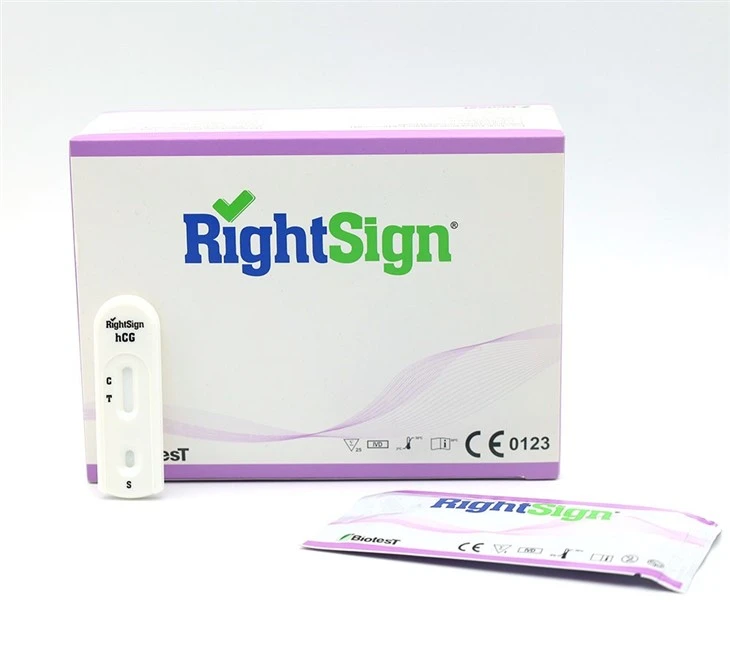
Laparoscopy is a common procedure used in fertility testing to examine the pelvic organs and identify potential issues that may be contributing to infertility. While it is generally considered a safe and effective diagnostic tool, like any medical procedure, it comes with certain risks. As a supplier of fertility tests, including products such as the HCG Pregnancy Rapid Test, Insulin-like Growth Factor Binding Protein 1 Rapid Test Cassette, and Ovulation Predictor Kit, it's important for us to understand these risks to better inform our clients.
General Risks Associated with Laparoscopy
Anesthesia Risks
One of the primary risks of laparoscopy is related to the anesthesia used during the procedure. Most laparoscopies are performed under general anesthesia, which means the patient is put into a deep sleep. Anesthesia can have side effects such as nausea, vomiting, sore throat, and drowsiness. In rare cases, more serious complications can occur, including allergic reactions to the anesthetic drugs, problems with breathing, and changes in heart rate or blood pressure. These risks are usually higher in patients with pre - existing medical conditions such as heart disease, lung disease, or diabetes.
Bleeding
Bleeding is another potential risk during laparoscopy. Although the incisions made for the laparoscope and other instruments are small, there is still a chance of bleeding from the blood vessels in the abdominal wall or the pelvic organs. Minor bleeding can often be controlled during the procedure, but in some cases, more significant bleeding may require additional surgical intervention, such as suturing the bleeding vessel or even converting the laparoscopic procedure to an open surgery.
Infection
Any surgical procedure carries a risk of infection. After laparoscopy, there is a risk of developing an infection at the incision sites or within the abdominal cavity. Symptoms of infection may include fever, redness, swelling, pain at the incision site, and discharge. Infections can usually be treated with antibiotics, but in severe cases, they may lead to more serious complications such as abscess formation or sepsis, a life - threatening condition.
Injury to Surrounding Organs
During laparoscopy, there is a small risk of accidentally injuring the surrounding organs, such as the bladder, intestines, or blood vessels. This can occur when the laparoscope or other instruments are inserted into the abdominal cavity or when the surgeon is manipulating the organs to examine them. Organ injury can lead to a variety of complications, depending on the organ involved. For example, injury to the intestines may cause bowel obstruction or peritonitis, an inflammation of the lining of the abdominal cavity.

Specific Risks in Fertility Testing
Adhesion Formation
One of the specific risks of laparoscopy in fertility testing is the formation of adhesions. Adhesions are bands of scar tissue that can form between the pelvic organs after surgery. In the context of fertility, adhesions can cause problems by interfering with the normal movement of the fallopian tubes, ovaries, or uterus. They can block the fallopian tubes, preventing the egg from traveling from the ovary to the uterus, or they can distort the normal anatomy of the pelvic organs, making it more difficult for fertilization to occur or for a pregnancy to implant.
Impact on Ovarian Function
Laparoscopy may also have an impact on ovarian function. The manipulation of the ovaries during the procedure can potentially damage the ovarian tissue, leading to a decrease in ovarian reserve. Ovarian reserve refers to the number and quality of the eggs remaining in the ovaries. A decrease in ovarian reserve can make it more difficult for a woman to conceive naturally or may affect the success of fertility treatments such as in vitro fertilization (IVF).
Psychological Impact
In addition to the physical risks, laparoscopy can also have a psychological impact on patients undergoing fertility testing. The uncertainty of the test results, the fear of the procedure itself, and the potential for complications can cause significant stress and anxiety. This psychological stress can, in turn, have a negative impact on the patient's overall well - being and may even affect their fertility. High levels of stress can disrupt the hormonal balance in the body, which can interfere with ovulation and the menstrual cycle.
Minimizing the Risks
Pre - operative Assessment
To minimize the risks of laparoscopy in fertility testing, a thorough pre - operative assessment is essential. This includes a detailed medical history, physical examination, and laboratory tests to identify any pre - existing medical conditions that may increase the risk of complications. Patients should inform their doctor about any allergies, medications they are taking, and previous surgeries. Based on the pre - operative assessment, the doctor can determine if the patient is a suitable candidate for laparoscopy and can take appropriate measures to reduce the risks.
Experienced Surgeon
Choosing an experienced surgeon is also crucial. An experienced surgeon is more likely to perform the procedure safely and efficiently, reducing the risk of complications such as bleeding, organ injury, and adhesion formation. Surgeons with specialized training in gynecologic laparoscopy and fertility surgery are better equipped to handle the unique challenges of fertility testing.
Post - operative Care
Proper post - operative care is essential for a successful recovery and to minimize the risk of complications. Patients should follow their doctor's instructions regarding wound care, activity restrictions, and medication use. They should also watch for any signs of complications such as fever, excessive pain, or bleeding and report them to their doctor immediately.
Conclusion
Laparoscopy is a valuable tool in fertility testing, but it is not without risks. As a supplier of fertility tests, we understand the importance of providing our clients with accurate information about the risks and benefits of different fertility testing procedures. By being aware of the potential risks of laparoscopy, patients can make informed decisions about their fertility treatment options. If you are considering laparoscopy or other fertility testing methods, we encourage you to discuss your concerns with your doctor. And if you are in need of high - quality fertility tests, such as our HCG Pregnancy Rapid Test, Insulin-like Growth Factor Binding Protein 1 Rapid Test Cassette, and Ovulation Predictor Kit, please feel free to contact us for more information and to discuss your procurement needs.
References
- American College of Obstetricians and Gynecologists. (2019). Practice Bulletin No. 108: Laparoscopy in Gynecology. Obstetrics & Gynecology, 113(1), 218 - 228.
- Practice Committee of the American Society for Reproductive Medicine. (2015). Evaluation of the infertile female: A committee opinion. Fertility and Sterility, 103(3), e15 - e38.
- Falcone T, Hurd WW. (2018). Clinical Gynecologic Endoscopy. Elsevier.