

What is a veterinary fecal flotation test and how does it work?
Nov 25, 2025
Leave a message
A veterinary fecal flotation test is a fundamental diagnostic tool in the field of veterinary medicine. This test plays a crucial role in detecting the presence of internal parasites in animals, which is essential for maintaining their health and well - being. As a veterinary tests supplier, I am well - versed in the significance and operation of this test, and I'm excited to share detailed information about it.
What is a Veterinary Fecal Flotation Test?
The veterinary fecal flotation test is a laboratory procedure used to identify the eggs, larvae, or cysts of internal parasites in an animal's feces. These parasites can include roundworms, hookworms, whipworms, tapeworms, and protozoa such as giardia and coccidia. Detecting these parasites early is vital because many of them can cause a variety of health problems in animals, ranging from mild discomfort to severe illness and even death in some cases.
How Does It Work?
The process of a fecal flotation test can be broken down into several steps:
Sample Collection
The first step is to collect a fresh fecal sample from the animal. It's important to obtain a sample that is as fresh as possible because the viability of parasite eggs and cysts can decrease over time. The sample should be collected using a clean, disposable container, and it's best to collect from different parts of the feces to increase the chances of detecting parasites if they are present.
Preparation of the Fecal Sample
Once the sample is collected, a small amount of feces (usually about 3 - 5 grams) is placed into a test tube or a special fecal flotation cup. Then, a flotation solution is added to the feces. The flotation solution is a key component of the test. It has a high specific gravity, which means it is denser than water. Common flotation solutions include sodium nitrate, sugar solution, and zinc sulfate. The purpose of the flotation solution is to cause the parasite eggs, larvae, or cysts to float to the surface while the heavier fecal debris sinks to the bottom.

Mixing and Straining
After adding the flotation solution, the feces and the solution are thoroughly mixed. This can be done by stirring with a wooden applicator stick or by gently shaking the test tube. The mixture is then strained through a fine - mesh sieve or cheesecloth into another clean test tube. Straining helps to remove large pieces of fecal debris, leaving behind a relatively clean suspension of the flotation solution and any potential parasite elements.
Filling the Tube and Cover Slipping
The test tube is then filled with more flotation solution until a slight convex meniscus forms at the top of the tube. A coverslip is carefully placed on top of the tube, making contact with the meniscus. The tube is left undisturbed for a period of time, usually 10 - 15 minutes. During this time, the parasite eggs, larvae, or cysts, which are less dense than the flotation solution, will float to the surface and adhere to the underside of the coverslip.
Microscopic Examination
After the waiting period, the coverslip is carefully removed from the tube and placed on a microscope slide. The slide is then examined under a microscope at low magnification (usually 10x). The veterinarian or laboratory technician looks for the characteristic shapes and sizes of different parasite eggs, larvae, or cysts. Each type of parasite has a distinct appearance, allowing for accurate identification.
Importance of the Fecal Flotation Test
The fecal flotation test is a cost - effective and relatively simple way to screen animals for internal parasites. It can help veterinarians make informed decisions about treatment. For example, if the test reveals the presence of roundworms in a puppy, the veterinarian can prescribe an appropriate deworming medication. Regular fecal flotation testing is also recommended for animals that are at high risk of parasite infestation, such as puppies, kittens, animals that spend a lot of time outdoors, and those in multi - animal households.
Our Range of Veterinary Tests
In addition to the fecal flotation test, as a veterinary tests supplier, we offer a wide range of other veterinary diagnostic tests. For instance, we have the Feline Panleucopenia Virus Antigen Rapid Test Cassette. This test is designed to quickly and accurately detect the presence of the feline panleucopenia virus in cats. It's a valuable tool for veterinarians to diagnose this highly contagious and potentially fatal disease in cats.
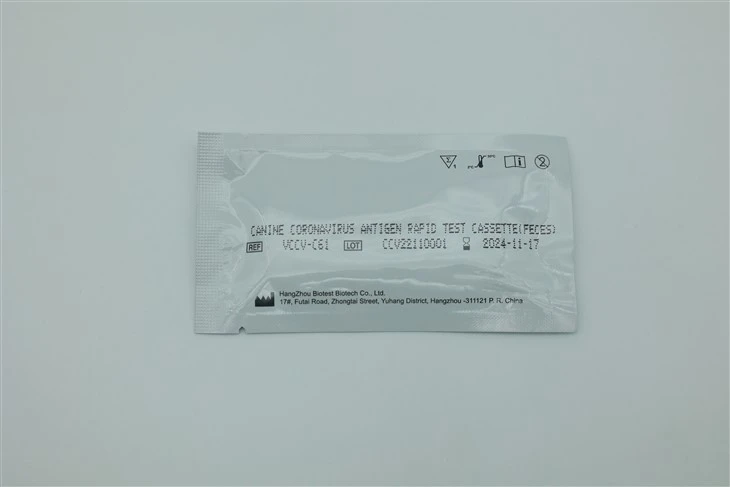
We also provide the Canine Coronavirus Antigen Rapid Test Cassette. Canine coronavirus can cause gastrointestinal problems in dogs, and this rapid test can help in early detection and appropriate management of the disease.
Another important test in our portfolio is the Canine Parvovirus Antigen Rapid Test Cassette. Canine parvovirus is a serious and often life - threatening disease in dogs, especially puppies. Our rapid test can provide quick results, enabling prompt treatment and potentially saving the lives of infected dogs.
Contact Us for Purchasing
If you are a veterinarian, a veterinary clinic, or an animal shelter in need of high - quality veterinary tests, including fecal flotation test kits and our other rapid test cassettes, we invite you to contact us for purchasing and to discuss your specific requirements. Our team of experts is ready to assist you in finding the most suitable tests for your needs.
References
- Bowman, Dwight D. Georgis' Parasitology for Veterinarians. 10th ed., Elsevier, 2014.
- Zajac, Anne M., and John P. Conboy. Veterinary Clinical Parasitology. 7th ed., Wiley - Blackwell, 2012.