

What is the sensitivity of the NT - proBNP Rapid Test?
Dec 23, 2025
Leave a message
What is the sensitivity of the NT - proBNP Rapid Test?
As a supplier of NT - proBNP Rapid Tests, I often get asked about the sensitivity of this crucial diagnostic tool. In the field of cardiac health, the NT - proBNP Rapid Test has emerged as a game - changer, providing rapid and reliable results that can significantly impact patient care.
Understanding NT - proBNP
NT - proBNP, or N - terminal pro - B - type natriuretic peptide, is a hormone that is released by the heart in response to increased pressure and stretching of the heart muscle. Elevated levels of NT - proBNP are commonly associated with heart failure, a condition where the heart is unable to pump blood effectively. Measuring NT - proBNP levels can help doctors diagnose heart failure, assess its severity, and monitor the effectiveness of treatment.
The Importance of Sensitivity in Diagnostic Tests
Sensitivity is a key parameter when evaluating the performance of a diagnostic test. It refers to the ability of a test to correctly identify individuals who have the disease or condition being tested for. In the case of the NT - proBNP Rapid Test, high sensitivity means that the test is able to detect even low levels of NT - proBNP in patients with heart failure, minimizing the chances of false - negative results.
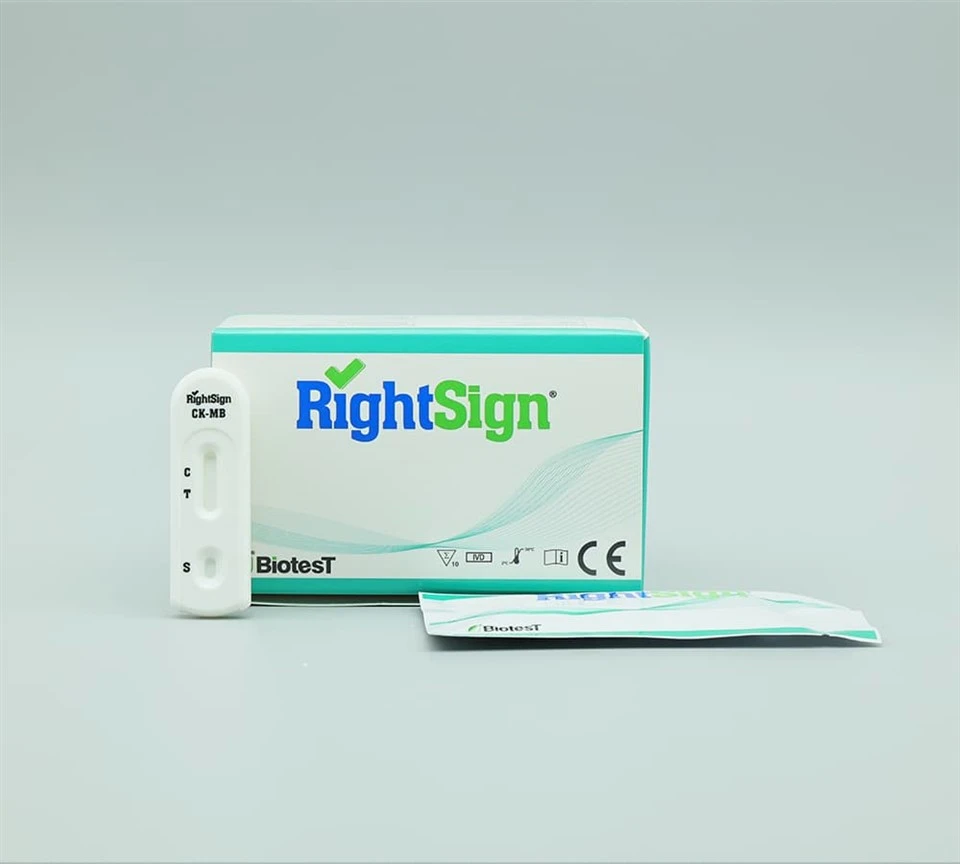

A false - negative result occurs when a test incorrectly indicates that a patient does not have the disease when they actually do. This can be extremely dangerous in the context of heart failure, as it may lead to delayed diagnosis and treatment, potentially worsening the patient's condition. Therefore, a highly sensitive NT - proBNP Rapid Test is essential for early detection and appropriate management of heart failure.
Factors Affecting the Sensitivity of NT - proBNP Rapid Tests
Several factors can influence the sensitivity of NT - proBNP Rapid Tests. One of the most important factors is the quality of the antibodies used in the test. Antibodies are proteins that specifically bind to NT - proBNP molecules, allowing for their detection. High - quality antibodies with high affinity and specificity for NT - proBNP can improve the sensitivity of the test by ensuring accurate and efficient binding.
The design of the test strip and the detection method also play a crucial role. Advanced test strip designs and sensitive detection technologies can enhance the ability of the test to detect low levels of NT - proBNP. Additionally, proper sample collection and handling are essential. Incorrect sample collection, such as using a contaminated sample or improper storage conditions, can affect the accuracy and sensitivity of the test.
Clinical Significance of High Sensitivity NT - proBNP Rapid Tests
High - sensitivity NT - proBNP Rapid Tests have significant clinical implications. In emergency departments, these tests can quickly identify patients at risk of heart failure, allowing for prompt initiation of treatment. This can reduce hospital stays, improve patient outcomes, and potentially save lives.
In primary care settings, high - sensitivity NT - proBNP Rapid Tests can be used for screening patients with risk factors for heart failure, such as hypertension, diabetes, or a history of heart disease. Early detection through sensitive testing can enable timely intervention and lifestyle modifications, which can slow the progression of the disease.
Comparison with Other Cardiac Marker Tests
When considering cardiac marker tests, it's important to understand how the NT - proBNP Rapid Test compares to other available options. For example, the D - Dimer Rapid Test is commonly used to rule out deep vein thrombosis and pulmonary embolism. While D - dimer is a useful marker in certain situations, it is not specific to heart failure.
The CKMB Rapid Test is another well - known cardiac marker test. CKMB is released into the bloodstream after a heart attack. However, its elevation may not be as specific to heart failure as NT - proBNP. The H - FABP Rapid Test Cassette is also used in cardiac diagnosis, but it has its own limitations and applications.
Each of these tests has its own role in cardiac diagnosis, but the NT - proBNP Rapid Test stands out for its high sensitivity and specificity in detecting heart failure.
Our NT - proBNP Rapid Test: Ensuring High Sensitivity
As a supplier, we take great pride in offering an NT - proBNP Rapid Test with exceptional sensitivity. Our test uses state - of - the - art antibodies that have been carefully selected and optimized for high affinity and specificity for NT - proBNP. The test strip design is based on advanced technology, which allows for rapid and accurate detection of even low levels of NT - proBNP.
We also provide comprehensive training and support to ensure proper sample collection and handling, which is crucial for maintaining the sensitivity and accuracy of the test. Our commitment to quality and innovation means that healthcare providers can rely on our NT - proBNP Rapid Test to deliver reliable results in a timely manner.
Conclusion
The sensitivity of the NT - proBNP Rapid Test is of utmost importance in the diagnosis and management of heart failure. A highly sensitive test can detect early signs of heart failure, enabling prompt treatment and better patient outcomes. As a supplier, we are dedicated to providing a high - quality NT - proBNP Rapid Test that meets the needs of healthcare providers and patients alike.
If you are interested in learning more about our NT - proBNP Rapid Test or would like to discuss potential procurement opportunities, please feel free to reach out. We are here to support you in improving cardiac care through accurate and reliable diagnostic testing.
References
- Maisel AS, Krishnaswamy P, Nowak RM, et al. Rapid measurement of B - type natriuretic peptide in the emergency diagnosis of heart failure. N Engl J Med. 2002;347(3):161 - 167.
- Januzzi JL Jr, Troughton RW, Anand IS, et al. NT - proBNP testing for diagnosis and short - term prognosis in acute destabilized heart failure: an international pooled analysis of 1256 patients. Eur Heart J. 2006;27(3):330 - 337.
- McCullough PA, Nowak RM, McCord J, et al. B - type natriuretic peptide and clinical judgment in emergency diagnosis of heart failure: analysis from the Breathing Not Properly Multinational Study. Circulation. 2002;106(4):416 - 422.