

Can the FOB Test Cassette be used for follow - up testing?
Jan 08, 2026
Leave a message
Can the FOB Test Cassette be used for follow - up testing?
As a supplier of FOB (Fecal Occult Blood) Test Cassettes, I often encounter questions from our customers regarding the suitability of these cassettes for follow - up testing. In this blog, I will delve into the details to provide a comprehensive answer to this question.
Understanding the FOB Test Cassette
The FOB Test Cassette is a valuable diagnostic tool used to detect the presence of hidden blood in the feces. Occult blood in the stool can be an early sign of various gastrointestinal conditions, including colorectal cancer, polyps, ulcers, and inflammatory bowel disease. The test works by detecting the heme component of hemoglobin in the fecal sample. When the sample is applied to the cassette, a chemical reaction occurs, and a visible line appears if blood is present.
Suitability for Follow - up Testing
- Monitoring Treatment Progress
- In cases where a patient has been diagnosed with a gastrointestinal condition and is undergoing treatment, the FOB Test Cassette can be an effective tool for follow - up. For example, if a patient has had surgery to remove polyps or treat an ulcer, regular FOB testing can help monitor the healing process. A negative test result over time may indicate that the treatment is successful and that there is no longer any bleeding in the gastrointestinal tract.
- However, it is important to note that a negative result does not always guarantee complete recovery. Other factors, such as the presence of small amounts of blood that may not be detected by the test, or the recurrence of the condition in a different part of the gastrointestinal tract, need to be considered.
- Detecting Recurrence
- For patients who have previously had a positive FOB test and have been treated for a related condition, follow - up testing can be crucial in detecting recurrence. Colorectal cancer, for instance, has a risk of recurrence even after successful treatment. Regular FOB testing can act as an early warning system. If a previously negative test becomes positive again, it may indicate the return of the cancer or the development of new polyps.
- It is essential to combine FOB testing with other diagnostic methods, such as colonoscopy, for a more accurate assessment. A colonoscopy can directly visualize the inside of the colon and rectum and can detect any abnormal growths or lesions that may be causing the bleeding.
- Screening High - Risk Individuals
- In some cases, individuals who are at high risk of developing gastrointestinal diseases, such as those with a family history of colorectal cancer or inflammatory bowel disease, may be recommended for regular follow - up FOB testing. This can help in the early detection of any potential problems.
- For these high - risk individuals, the FOB Test Cassette can be a cost - effective and non - invasive screening tool. It can be easily performed at home or in a primary care setting, and the results can be obtained relatively quickly.
Limitations of FOB Testing for Follow - up
- False Positives and False Negatives
- The FOB Test Cassette is not without its limitations. False positive results can occur due to a variety of factors, such as the consumption of certain foods (e.g., red meat, raw vegetables) or medications (e.g., aspirin, non - steroidal anti - inflammatory drugs). These false positives can lead to unnecessary further testing and anxiety for the patient.
- On the other hand, false negative results can also occur. The test may not be sensitive enough to detect small amounts of blood, especially if the bleeding is intermittent or if the blood is present in a very diluted form. This can give a false sense of security and delay the diagnosis of a serious condition.
- Inability to Determine the Source of Bleeding
- Even if a positive FOB test result is obtained during follow - up testing, the test alone cannot determine the exact source of the bleeding. It could be coming from the upper or lower gastrointestinal tract, and further diagnostic procedures, such as endoscopy or colonoscopy, are required to pinpoint the location and cause of the bleeding.
Comparison with Other Gastrointestinal Testing Cassettes
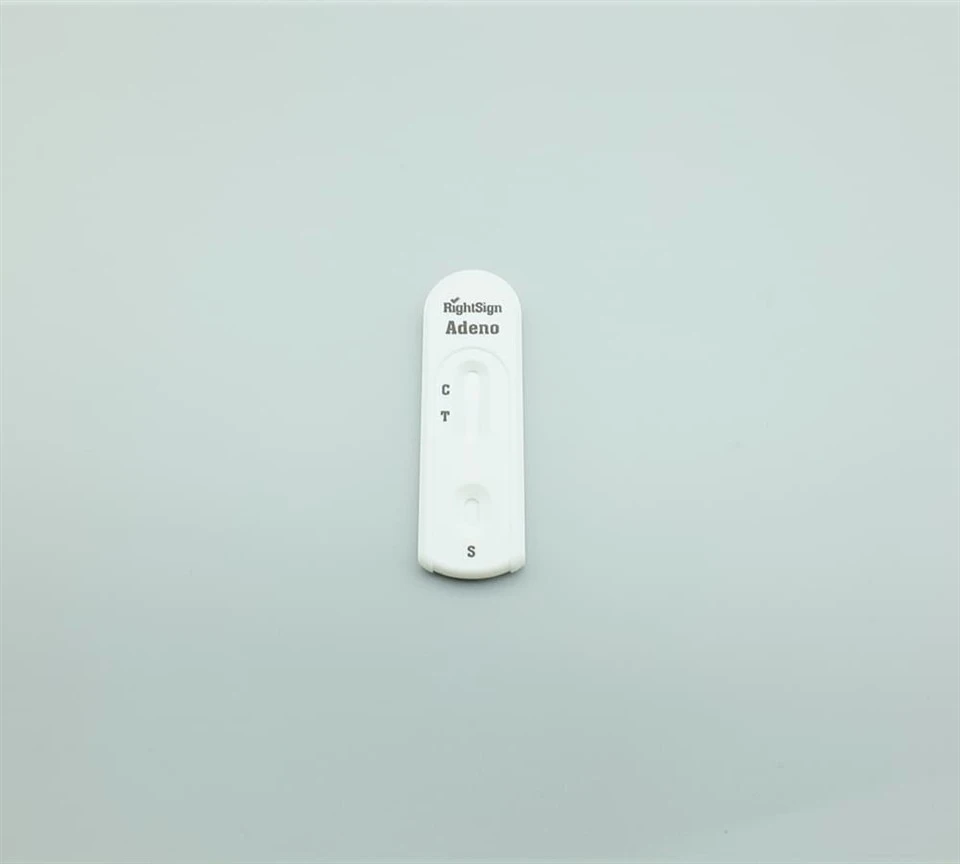
- Adenovirus Combo Rapid Test Cassette
- While the FOB Test Cassette is focused on detecting blood in the feces, the Adenovirus Combo Rapid Test Cassette is designed to detect the presence of adenovirus in the gastrointestinal tract. Adenovirus can cause gastroenteritis, and this test can be useful in cases where an infectious cause of gastrointestinal symptoms is suspected.
- In follow - up testing, if a patient has had a previous adenovirus infection and is experiencing recurrent gastrointestinal symptoms, the Adenovirus Combo Rapid Test Cassette can be used to determine if the infection has recurred. However, it has no direct relation to detecting blood and is used for a different diagnostic purpose.
- Clostridium Difficile Antigen Rapid Test Cassette
- The Clostridium Difficile Antigen Rapid Test Cassette is used to detect the presence of Clostridium difficile, a bacterium that can cause severe diarrhea and colitis, especially in patients who have recently been on antibiotics.
- In follow - up testing, this cassette can be used to monitor the resolution of a Clostridium difficile infection. A negative test result may indicate that the treatment has been successful. In contrast, the FOB Test Cassette would not be able to detect the presence of the bacterium but can only detect blood, which may or may not be related to a Clostridium difficile infection.
- Giardia Iamblia Rapid Test
- The Giardia Iamblia Rapid Test is used to detect the presence of the parasite Giardia lamblia in the gastrointestinal tract. Giardia can cause diarrhea, abdominal pain, and other gastrointestinal symptoms.
- For follow - up testing of a patient with a previous Giardia infection, this test can determine if the parasite has been successfully eradicated. Similar to the other non - FOB tests, it is used for a different diagnostic purpose than the FOB Test Cassette, which is centered around blood detection.
Conclusion
In conclusion, the FOB Test Cassette can be a useful tool for follow - up testing in certain situations. It can help monitor treatment progress, detect recurrence, and screen high - risk individuals. However, it is important to be aware of its limitations, such as false positives and negatives and the inability to determine the source of bleeding.
When considering follow - up testing, it is often beneficial to combine the FOB Test Cassette with other diagnostic methods for a more comprehensive assessment. As a supplier of FOB Test Cassettes, we are committed to providing high - quality products that can assist in the early detection and monitoring of gastrointestinal conditions.
If you are interested in learning more about our FOB Test Cassettes or would like to discuss potential procurement for your medical facility or organization, please feel free to reach out. We are eager to engage in discussions and provide you with the best solutions for your diagnostic needs.

References
- American Cancer Society. (2023). Colorectal Cancer Screening.
- World Health Organization. (2022). Guidelines on Gastrointestinal Disease Diagnosis.
- National Institute of Diabetes and Digestive and Kidney Diseases. (2023). Fecal Occult Blood Testing.