

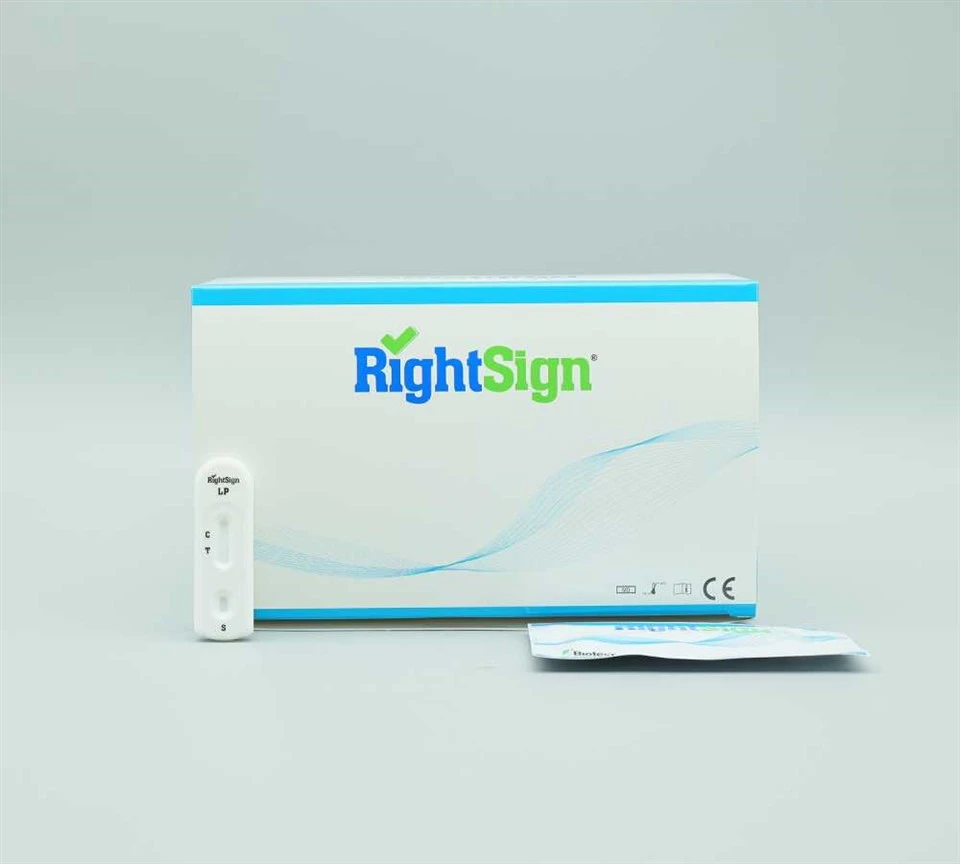

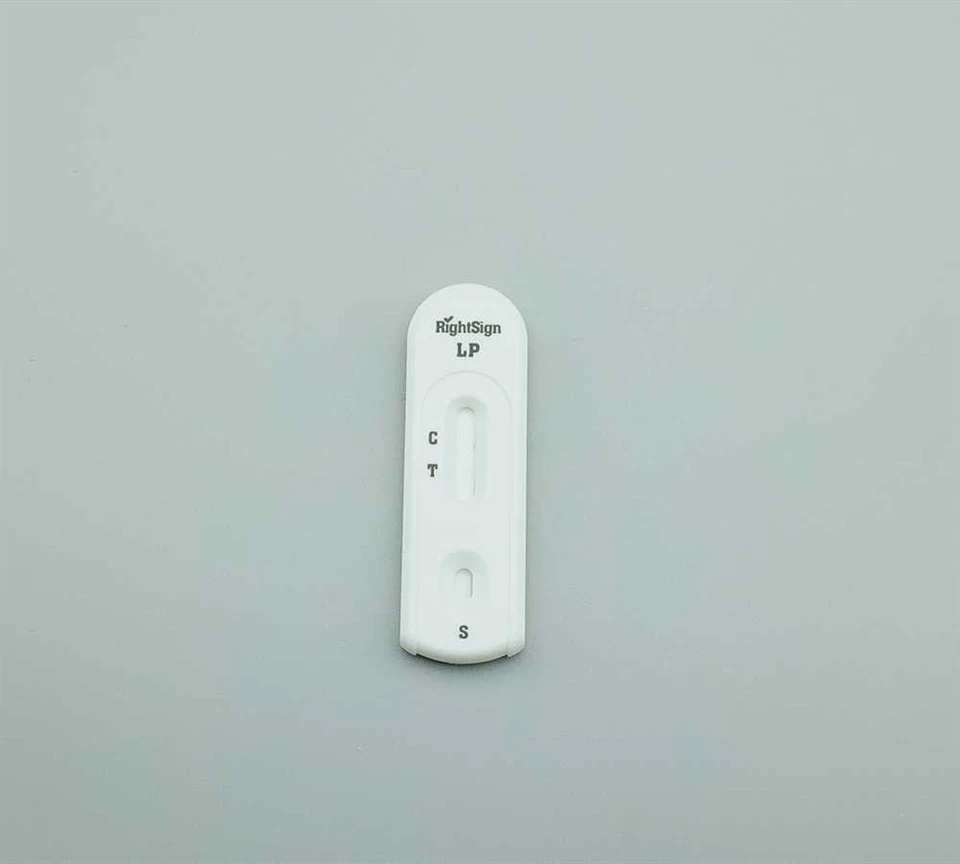
Legionella Antigen Rapid Test
Pneumophila in conjunction with culture and other methods.
Description
Technical Parameters
advantage
- Easy to use
- No equipment required
- High sensitivity and specificity
- Fast results at 10 minutes
Summary
Legionnaires' disease, named after the outbreak in 1976 at the American Legion convention in Philadelphia, is caused by Legionella pneumophila and is characterized as an acute febrile respiratory illness ranging in severity from mild illness to fatal pneumonia.1 The disease occurs in both epidemic and endemic forms and sporadic cases are not easily differentiated from other respiratory infections by clinical symptoms. An estimated 25,000 to 100,000 cases of Legionella infection occur in the United States annually. The resulting mortality rate, ranging from 25% to 40%2, can be lowered if the disease is diagnosed rapidly and appropriate antimicrobial therapy is instituted early. Known risk factors include immunosuppression, cigarette smoking, alcohol consumption and concomitant pulmonary disease.2 The young and the elderly are particularly susceptible.
Legionella pneumophila is responsible for 80-90% of reported cases of Legionella infection with serogroup 1 accounting for greater than 70% of all legionellosis.. Current methods for the laboratory detection of pneumonia caused by Legionella pneumophila require a respiratory specimen (e.g. expectorated sputum, bronchial washing, transtracheal aspirate, lung biopsy) or paired sera (acute and convalescent) for an accurate diagnosis. These techniques include Legionella culture, direct fluorescent antibody (DFA), DNA probe, and indirect fluorescent antibody (IFA). All of these rely on either obtaining an adequate respiratory specimen for sufficient sensitivity, or collecting sera at a two to six week interval. Unfortunately, one of the presenting signs of patients with Legionnaires' disease is the relative lack of productive sputum. In many patients, this necessitates the use of an invasive procedure to obtain a respiratory specimen. Diagnosis by serological techniques is usually retrospective in nature, and even then, patient compliance in obtaining the necessary specimen is poor.
The Legionella Pneumophila Antigen Rapid Test Cassette (Urine) is rapid, giving a result within 15 minutes, and utilizes a urine specimen which is convenient for collection, transport, and subsequent detection of early, as well as later, stages of disease.
Convenient Procedure

1. Bring the pouch to room temperature before opening it. Remove the test cassette from the sealed pouch and use it as soon as possible. Best results will be obtained if the assay is performed within one hour.
2. Place the test cassette on a clean and level surface. Hold the dropper vertically and transfer 3 drops of sample (approximately 120 mL) to the specimen well of the test cassette and start the timer. Avoid trapping air bubbles in the specimen well. See the illustration below.
3. Wait for the colored line(s) to appear. The test result should be read at 15 minutes. Do not interpret the result after 20 minutes.
Accurate Results

Hot Tags: legionella antigen rapid test, China legionella antigen rapid test manufacturers, suppliers, factory, RSV Quick Test, Legionella Antigen Rapid Test Device, Legionella Antigen Rapid Test, RSV Rapid Test, RSV Rapid Tests, respiratory tract infection test cassette
Send Inquiry


